
Blog
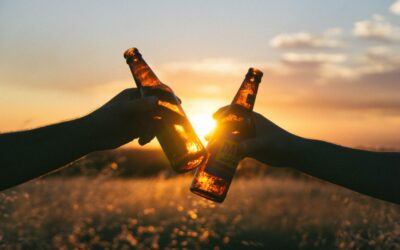
How Safe is My Hoppy Beer? A Deep Dive into β-Myrcene and Risk Assessment
I love hoppy beers. So much so that, once upon a time, I became an avid homebrewer because I found the beers in Belgium just weren't hoppy enough for my taste (sorry Belgium — I still love the chocolate!). What I didn’t love as much was learning that one of the key...
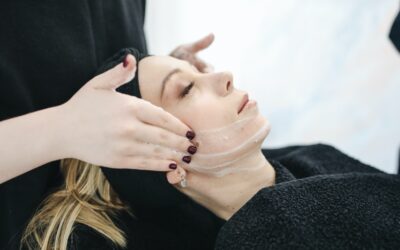
Safety implications of rubbing and massaging skincare products
“Apply by massaging onto skin” or “rub until absorbed” are seemingly innocuous directions of use found on many skincare products, but with potentially significant impact on their safety assessment. The safety assessment of substances is governed by the intrinsic...
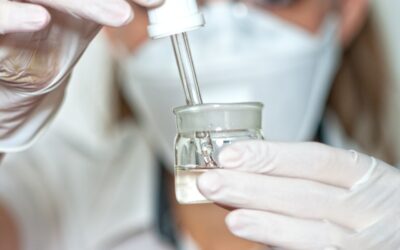
Safety of peptides & proteins as cosmetic ingredients
In “Regulatory aspects of peptides & proteins as cosmetic ingredients”, given their anti-aging activities, it was evident that peptides and proteins make for interesting cosmetic ingredients, with the market of such “cosmeceutical” ingredients enjoying rapid...
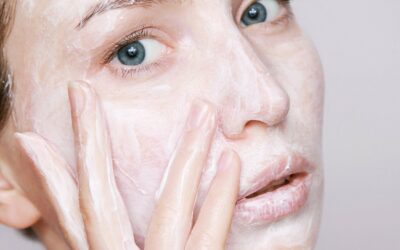
Regulatory aspects of peptides & proteins as cosmetic ingredients
The term “cosmeceutical” is a contraction of “cosmetic” and “pharmaceutical” and indicates, as the name suggests, a drug-like effect on the skin. It was coined more than 25 years ago by Professor Albert Klingman and has quickly entered the vocabulary used by...
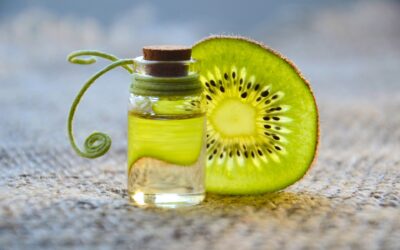
Establishing safety of natural ingredients
Natural beauty used to mean artisanal soaps with salt crystals, or some avocado butter with essence of grapefruit; we eat it so it must be safe, right? Well, not entirely, and considering that natural extracts are composed of dozens if not hundreds of substances, a...
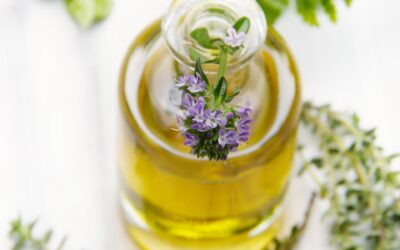
Are natural ingredients and products actually safer?
With the modern zeitgeist being natural is better, is this necessarily always the case? Short answer - not always. Longer answer – no, maybe, case-by-case analysis… It is evident that an increasing number of brands and raw material manufacturers are seeking ever-more...
x
How Safe is My Hoppy Beer? A Deep Dive into β-Myrcene and Risk Assessment